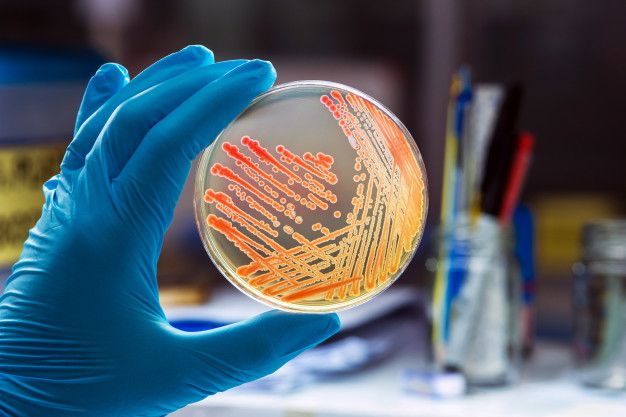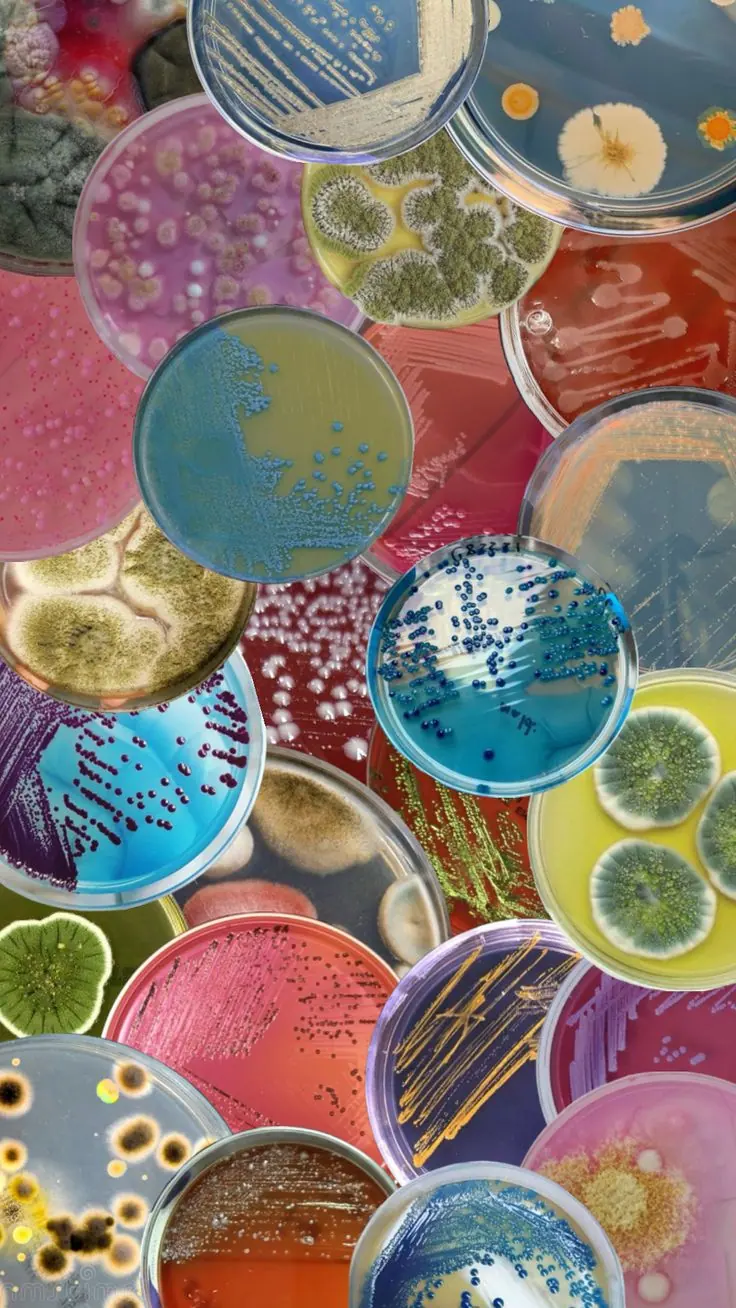
Featured Academy lesson · Introduction to Medical Microbiology
Introduction to Medical Microbiology
The introductory course establishes microbiology laboratory thinking before organism-group and susceptibility modules.
Academy · Medical Microbiology
Study Medical Microbiology as a Medical Laboratory Science course covering culture workflows, organism identification, susceptibility thinking, and laboratory interpretation.
Discipline orientation
Medical Microbiology builds reasoning from specimen to organism and susceptibility. This specialty develops culture workflow judgment, identification logic, and careful reading of antimicrobial susceptibility results.
Courses progress from microbiology foundations through bacteriology, mycology, parasitology, virology, clinical workflows, and laboratory biosafety.
Handle specimens, media choices, and incubation decisions used in daily practice.
Move from colonial and microscopic clues to methodical identification pathways.
Interpret susceptibility results and maintain safe laboratory practice throughout.
Recommended starting point
Featured Academy lesson · Introduction to Medical Microbiology
The introductory course establishes microbiology laboratory thinking before organism-group and susceptibility modules.
Course catalogue
Courses follow the curriculum sequence. Open available lessons; planned items remain visible for pathway planning.
Courses follow the recommended study order.
Course 1 · Start here
Foundations for MLS learners: Medical microbiology scope, history, classification, cell types, host–microbe interaction, microbiota, pathogenicity, virulence, chain of infection, biosafety levels, specimen collection, and laboratory workflow.
Requires: Introduction to Medical Microbiology
Requires: History of Microbiology
Requires: Microorganism Classification
Requires: Cell Types
Requires: Host-Microbe Interaction
Requires: Normal Human Microbiota
Requires: Pathogenicity
Requires: Virulence Factors
Requires: Chain of Infection
Requires: Laboratory Biosafety Levels
Requires: Specimen Collection Principles
Course 2
Bacterial structure, Gram groups, cell features, growth and nutrition, culture media, stains, biochemical and workflow identification, common pathogens, specimen processing, laboratory interpretation, and clinical cases.
Complete first: Introduction to Medical Microbiology
Requires: Laboratory Workflow
Requires: Introduction to Bacteria
Requires: Bacterial Cell Structure
Requires: Gram-Positive Bacteria: Morphology and Laboratory Pathways
Requires: Gram Negative Bacteria
Requires: Cell Wall
Requires: Capsule
Requires: Flagella
Requires: Spores
Requires: Biofilms
Requires: Growth Requirements
Requires: Bacterial Nutrition
Requires: Culture Media
Requires: Aerobic & Anaerobic Bacteria
Requires: Gram Stain
Requires: Acid Fast Stain
Requires: Biochemical Identification
Requires: Bacterial Identification Workflow
Requires: Common Pathogenic Bacteria
Requires: Specimen Processing
Requires: Laboratory Interpretation
Course 3
Virus structure and classification, DNA/RNA groups, replication, host immune response, diagnostic methods (PCR, antigen, serology, culture), common/respiratory/blood-borne viruses, clinical interpretation, and cases.
Complete first: Bacteriology
Requires: Clinical Cases
Requires: Introduction to Viruses
Requires: Virus Structure
Requires: Virus Classification
Requires: DNA Viruses
Requires: RNA Viruses
Requires: Virus Replication
Requires: Host Immune Response
Requires: Diagnostic Methods
Requires: PCR
Requires: Rapid Antigen Testing
Requires: Serology
Requires: Viral Culture
Requires: Common Human Viruses
Requires: Respiratory Viruses
Requires: Blood-Borne Viruses
Requires: Clinical Interpretation
Course 4
Medical mycology foundations: Yeasts, molds, dimorphic fungi, morphology, culture, microscopy and stains, Candida, Cryptococcus, Aspergillus, dermatophytes, opportunistic fungi, laboratory diagnosis, interpretation, and cases.
Complete first: Virology
Requires: Clinical Cases
Requires: Introduction to Medical Mycology
Requires: Yeasts
Requires: Molds
Requires: Dimorphic Fungi
Requires: Fungal Morphology
Requires: Fungal Culture
Requires: Microscopy
Requires: Staining Methods
Requires: Candida
Requires: Cryptococcus
Requires: Aspergillus
Requires: Dermatophytes
Requires: Opportunistic Fungi
Requires: Laboratory Diagnosis
Requires: Clinical Interpretation
Course 5
Medical parasitology foundations: Protozoa, helminths (nematodes, cestodes, trematodes), blood and intestinal parasites, life cycles, stool and blood-film examination, concentration techniques, laboratory diagnosis, interpretation, and cases.
Complete first: Medical Mycology
Requires: Clinical Cases
Requires: Introduction to Parasitology
Requires: Protozoa
Requires: Helminths
Requires: Nematodes
Requires: Cestodes
Requires: Trematodes
Requires: Blood Parasites
Requires: Intestinal Parasites
Requires: Life Cycles
Requires: Stool Examination
Requires: Blood Film Examination
Requires: Concentration Techniques
Requires: Laboratory Diagnosis
Requires: Clinical Interpretation
Course 6
Specimen-to-report clinical microbiology: Collection, urine/blood/sputum/CSF/wound/throat/stool cultures, quality assessment, result interpretation, reporting, and clinical cases.
Complete first: Bacteriology, Virology, Medical Mycology, Medical Parasitology
Requires: Clinical Cases
Requires: Specimen Collection
Requires: Urine Culture
Requires: Blood Culture
Requires: Sputum
Requires: CSF
Requires: Wound Swabs
Requires: Throat Swabs
Requires: Stool Culture
Requires: Quality Assessment
Requires: Result Interpretation
Requires: Reporting
Course 7
Laboratory AST pathway: Antibiotic classes, mechanisms of action and resistance, disk diffusion and Kirby–Bauer, MIC, automated systems, CLSI and EUCAST framing, QC, interpretation, and clinical cases.
Complete first: Bacteriology, Clinical Microbiology
Requires: Clinical Cases
Requires: Antibiotics Overview
Requires: Mechanisms of Action
Requires: Mechanisms of Resistance
Requires: Disk Diffusion
Requires: Kirby-Bauer Method
Requires: MIC
Requires: Automated Systems
Requires: CLSI Standards
Requires: EUCAST Standards
Requires: Quality Control
Requires: Interpretation
Course 8
Clinical laboratory biosafety pathway: Laboratory safety, PPE, disinfection, sterilization, waste disposal, exposure management, needlestick injuries, biosafety cabinets, laboratory accidents, quality assurance, infection control, and integrated clinical laboratory safety.
Complete first: Antimicrobial Susceptibility Testing
Requires: Clinical Cases
Requires: Laboratory Safety
Requires: PPE
Requires: Disinfection
Requires: Sterilization
Requires: Waste Disposal
Requires: Exposure Management
Requires: Needlestick Injuries
Requires: Biosafety Cabinets
Requires: Laboratory Accidents
Requires: Quality Assurance
Requires: Infection Control
Learning outcomes
By progressing through this Medical Microbiology Medical Laboratory Science course, learners work toward the following educational outcomes.
Laboratory skills
These skills support laboratory science learning, laboratory interpretation, and preparation for medical laboratory quizzes and case studies.
Audience
This Medical Microbiology pathway is designed for Medical Laboratory Science education and medical laboratory training contexts.
FAQ
Common questions about studying Medical Microbiology in the LabPedia Medical Laboratory Academy.
It is a Medical Laboratory Science course pathway for medical microbiology: Laboratory workflow, specimen principles, organism-focused lessons, and interpretation practice.
Medical Laboratory Science students and laboratory professionals building structured microbiology knowledge for bench reasoning and assessment practice.
Academy lessons teach in sequence. Library entries support rapid lookup of tests, methods, and related reference material.
Yes. Lessons emphasize how microbiology findings are framed in laboratory practice, then connect to quizzes and case studies.
Start with the first available foundational course in the catalogue, then progress through organism and interpretation modules in study order.
Yes. Use Quiz Center Microbiology assessments and related Case Center pathways after studying Academy lessons.
No. LabPedia provides educational Medical Laboratory Science training content and practice tools; it does not grant certification credentials.
Professional application
Microbiology learning strengthens specimen-to-report reasoning used on the culture bench every day.
Protect culture validity through correct collection, transport, and rejection criteria.
Read colonial morphology and growth patterns in clinical context.
Apply stepwise identification without skipping confirmatory logic.
Report antimicrobial findings with method awareness and professional caution.
Connect learning to practice
Carry the same Medical Microbiology topics into reference, assessment, and applied reasoning when you are ready.
Look up tests, specimen requirements, methods, and interpretation cues for this specialty.
Open Laboratory LibraryAssess knowledge with quizzes that teach, including when an answer is wrong.
Open Quiz CenterPractice laboratory reasoning with learning cases and case challenges built on realistic data.
Open Case CenterContinue learning
Start with foundations, then continue into organism identification, susceptibility, and applied practice areas.